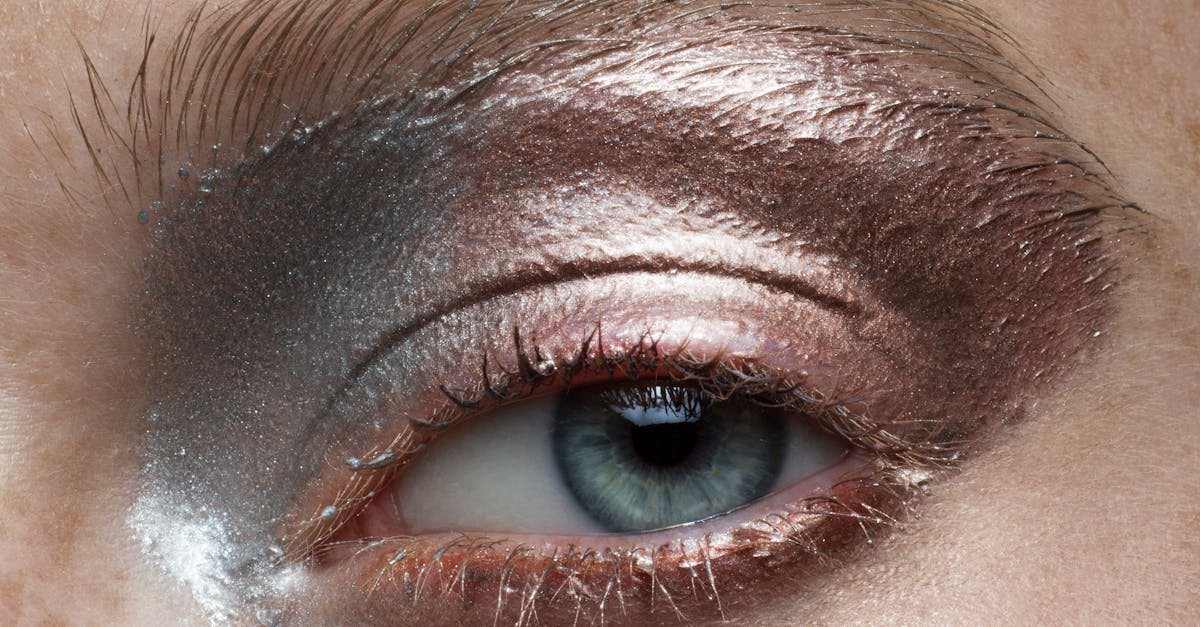
The frosted lid emerged as one of the clearest 2026 makeup trends, a reaction against warm bronze and copper dominance, bringing icy silvers, white chromes, and polar blues to the forefront. The effect at its best looks like light refracting through ice or glass.
Here’s how to build it from scratch.
The Look: What You’re Going For
The frosted lid sits between metallic and glazed. At its core:
- Cool, icy tones: White, pale silver, chrome silver, icy lavender, polar blue
- High-reflect surface: Almost mirror-like lid surface
- Glazed finish option: A clear or tinted gloss or gel over the lid for the “melting” effect
- Minimal intensity elsewhere: The focus is the lid, everything else is deliberately understated
Think cool, luminous, winter. Not warm, not earthy, not brown.
Products That Create This Look
The lid base:
- NYX Professional Makeup Jumbo Eye Pencil in “Milk” (~$5), white base, perfect prep for foiled shadows
- Colourpop eyeshadow in “Icicle” (~$6), pure white base shade
- Urban Decay Primer Potion (~$28), sticky base that amps up foiled shadow intensity
The main lid color (choose one):
- Natasha Denona Glam Eyeshadow palette (Silver shade) (~$68 palette), exceptional mirror finish
- Morphe x James Charles palette (silver pans) (~$39), accessible chrome options
- e.l.f. No Budge Shadow Stick in “White Wedding” (~$8), affordable white chrome option
- Kosas 10-Second Eyeshadow in “Mirror Ball”](https://www.amazon.com/dp/B09LKYDZN4?tag=eyeshadow06-20) (~$24), one-step glazed finish
For the gloss topper (optional but impactful):
- NYX Filler Instinct Lip Polish applied to the lid (~$9), creates the wet glaze effect
- Milk Makeup Glitter Glaze (~$24), specifically designed for face/eye glaze
- Clear lip gloss, any formula works as a quick topper
Step-by-Step Tutorial
Step 1: Minimal, Precise Eye Primer
Apply eye primer only to the mobile lid, keep the effect clean and focused. A very small amount of primer helps the chrome shadow hit maximum intensity.
For the full frosted glass effect, use a sticky base (glitter glue or foiling medium) on the lid center, this makes duochrome and foiled shadows adhere more intensely and appear more mirror-like.
Step 2: Set the Base with White or Pale Shadow
Apply a thin layer of white, pearl, or very pale shadow across the entire mobile lid. This creates a reflective foundation that boosts whatever you layer on top.
Avoid skin-toned transition shades under chrome shadows, they reduce the intensity of the cool tones. White base is specifically what gives icy chromes that cold, crystalline quality.
Step 3: Pack Chrome/Icy Shadow Onto the Lid
Using a flat shader brush or your fingertip (fingertip typically gives highest intensity for metallic showers):
- Press, don’t sweep, the chrome or icy shadow directly onto the lid
- Work from the center outward, packing the color densely
- Build in thin layers: one press, assess, add more
For a gradient effect: apply most intensely in the center of the lid, fading slightly as you approach the inner and outer corners. This creates a “light pool” at the center that reads as a frozen surface catching light.
Step 4: No Crease Blending, or Very Restrained
The frosted lid specifically avoids heavy crease blending. Blending in warm transition shades introduces brown/taupe undertones that warm the look and break the icy illusion.
Options:
- No crease shadow at all, let the chrome lid stand alone with clean skin above it
- A very pale lavender or cool silver matte barely touched into the very top of the crease to add minimal depth without warmth
Step 5: Apply the Gloss Topper (Optional, High-Impact)
This is what separates a good metallic eye from the true frosted/glazed look.
Using a fingertip or clean brush: apply a very small amount of clear or pearl-tinted gloss to the center of the chrome lid. The gloss creates a wet, melting-ice surface quality that transforms the look.
Key: Apply gloss only to the center of the lid, not all the way to the lash line, you want the shine to be most intense at the center and fade at the edges for a more natural, dimensional effect.
Step 6: Keep Everything Else Minimal
Liner: Skip heavy liner or use the thinnest line possible at the lash line. The lid should be the entire focal point.
Mascara: Use mascara on the upper lashes. Black mascara frames the icy lid.
Lower eye: Bare lower lash line or a single coat of mascara on lower lashes. Sometimes a small amount of chrome powder at the inner corner extends the icy glam.
Complexion: The icy lid reads best against a clean, luminous base, not a full-coverage matte. A skin-tint or dewy foundation keeps the lit-from-within quality consistent.
Variations
Polar blue ice: Use a pale icy blue chrome instead of silver, Isadora iDuoChrome in “Northern Light” creates this effect well.
Lavender frost: Pastel lilac with chrome finish, works beautifully on deeper skin tones where it reads as soft contrast.
White-out frost: Pure white eyeshadow packed dense on the lid, no chrome, just matte white with gloss topper. Extreme but compelling.
Related Guides
- Metallic and Chrome Eyes: How to Create a Mirror Finish
- Best Eyeshadow Palettes
- Eye Makeup Trends 2026
- Halo Eye Tutorial
- Monochromatic Aura Beauty: The 2026 Trend Guide
- Statement Lashes & White Mascara: The 2026 Lash Trend
Choosing the Right Product for Your Needs
When exploring eye makeup, selecting the perfect product relies heavily on understanding your skin type, undertones, and daily routine. To achieve the most flattering look, always prioritize formulas that work with your unique biology rather than against it.
Understanding Skin Types and Formulas
If you have oily eyelids, powder eyeshadows and waterproof liquid liners will be your best defense against midday creasing and smudging. For those with mature or dry skin, cream shadows and hydrating concealers offer a youthful, radiant finish that won’t settle into fine lines. Always start with a high-quality eye primer to ensure whatever formula you choose locks in place for 12+ hours. Also, applying setting powder lightly over the lids before packing on color can absorb excess sebum throughout the day, significantly extending the life of your look.
The Role of Undertones
Matching your makeup to your undertone is crucial. If you have cool undertones (veins appear blue/purple), reach for icy silvers, cool taupes, and berry hues. If your undertones are warm (veins appear green), gold, peach, bronze, and warm terracotta shades will make your eyes pop. Neutral undertones have the flexibility to wear almost any shade on the color wheel. Remember that contrasting colors on the color wheel create the most dramatic impact; for example, warm copper tones will make blue eyes appear vividly bright, while violet hues beautifully enhance green eyes or hazel eyes.
Proper Removal and Eye Health
The most important step of any makeup routine is removing it. Sleeping in eye makeup can lead to clogged hair follicles, lash loss, and severe eye infections like styes. Use a dedicated, gentle bi-phase makeup remover on a cotton pad, holding it over the closed eye for 10 seconds to dissolve waterproof bonds before gently wiping away. Never violently scrub the delicate skin around the eyes, as this accelerates premature aging and wrinkle formation. After removal, applying a hydrating, peptide-rich eye cream will restore the moisture barrier stripped away by cleansing surfactants, promoting healthy lash growth and a smoother canvas for the next day’s application.
Sources
- “Y2K and Frosted Lids: The 2026 Beauty Comeback”, Allure Magazine, 2025
- Lisa Eldridge, “Icy and Chrome Makeup Tutorial” (YouTube, 2024)
- Charlotte Tilbury product education, Metallic formulation techniques
We evaluate beauty products and techniques independently. To learn more about our editorial standards, read our Editorial Policy.
Get weekly eye care & beauty tips
Guides from the Eyeshadow Looks Beauty Desk. No spam, ever.
Frequently Asked Questions
What products are needed for the frosted icy lid look?
The core products are: a white or very pale pearl eyeshadow base, a foiled or duochrome shadow in a cool silver, icy blue, or white-chrome shade for the lid, and optionally a clear or white gloss applied over the shadow for the glaze effect. Chrome powder pressed over shadow significantly amplifies the frosted finish. A sticky base (glitter glue or foiling medium) helps metallic shadows hit their maximum intensity.
What's the difference between frosted, metallic, and chrome eyes?
Metallic eyes use warm golds, bronzes, and coppers for warmth and depth. [Chrome eyes](/articles/metallic-chrome-eyes) are more mirror-like with high-intensity silver or holographic finish. Frosted/icy eyes are specifically cool-toned, whites, silvers, pale blues, and lavenders with a glazed or crystalline surface quality. The frosted look often incorporates a gloss or gel topper for the 'melting ice' effect that distinguishes it from standard metallics.